
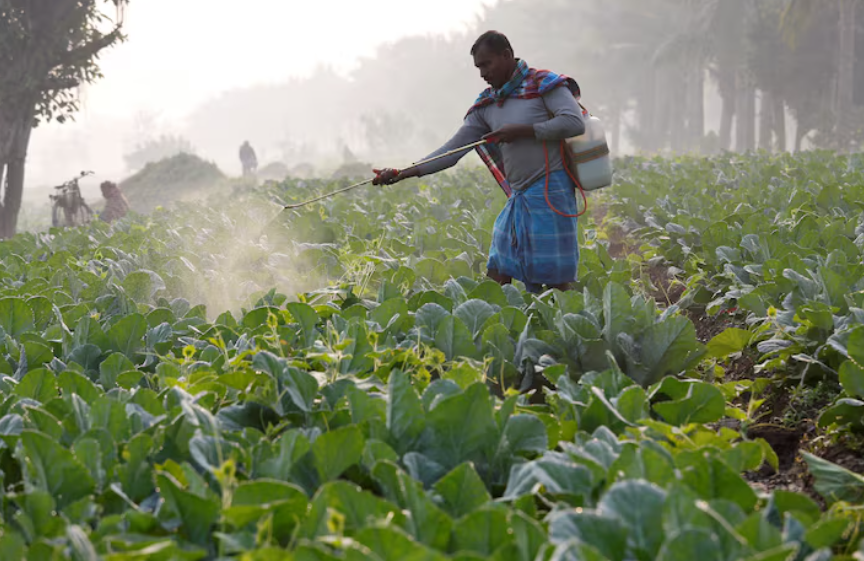
India-US Trade Deal: A Historic Turn for Farmers and Exporters
In a landmark development that could reshape two of the world’s largest economies, India and the United States have reached a major trade agreement — one that promises zero-tariff access on many products, significant market openings, and new pathways for agricultural and industrial exporters. As policymakers hail it as historic, the question on many minds is clear: What does this mean for India’s farmers, businesses, and global trade strategy?
The deal — announced amid celebrations on both sides — blends economic pragmatism with political calculation. It reflects the shifting dynamics of global commerce, where traditional trade barriers are reassessed in light of strategic partnerships and supply-chain realignments.
“Zero Tariff” — What It Really Means
One of the most striking elements of the agreement, widely covered in the media, is the phrase “zero tariff.” Yet this label deserves nuance.
Under the deal:
- Tariffs on a wide range of goods — especially agricultural and industrial exports — will be phased out or significantly reduced.
- Some categories, particularly sensitive agricultural products, will receive protection or phased liberalization so that domestic producers in both countries have time to adjust.
In essence, zero tariffs apply to many — but not all — products. The agreement was shaped carefully to deliver expansion of export opportunities without exposing livelihoods to sudden competition.
This approach reflects negotiation acumen on both sides — extracting market access while preventing sharp disruptions for local industries.
A Win for Indian Agriculture?
For Indian farmers and agribusinesses, the deal could be transformative in several ways:
1. Expanded Market Access
Products such as certain pulses, processed foods, spices, and specialty commodities are expected to benefit from lower or zero tariffs, making them more competitive in the U.S. market.
2. Price Competitiveness
Reducing tariff barriers could help Indian agricultural exporters secure better pricing relative to competitors from other countries — boosting profitability.
3. Diversification of Export Destinations
The agreement helps Indian agriculture reduce dependency on traditional markets and access one of the largest consumer economies in the world.
However, trade economists caution that the impact won’t be uniform across all crops. Producers of certain sensitive products — like wheat or dairy — may not see immediate tariff reductions due to ongoing protections in the U.S. aimed at safeguarding its domestic farming sector.
Still, the deal opens new avenues, especially for exporters targeting processed and value-added items — segments where India’s supply chains are increasingly competitive.
Beyond Agriculture: Industrial Horizons
The agreement is not just about farm goods. Indian industrial exporters — from textiles and engineering goods to chemicals and automotive parts — stand to gain from lower tariff barriers.
For example:
- Engineering products may enter the U.S. market at lower cost, boosting competitiveness.
- Textiles and apparel exports could benefit from phased tariff cuts.
- Gems, jewellery, and leather goods might access broader American demand with reduced duties.
This mixed portfolio of tariff changes reflects a strategic effort to balance India’s export strengths with U.S. domestic sensitivities, fostering mutual economic gain.
What the Deal Fixes — And What It Leaves Open
✔ Market Access
The agreement expands opportunities for Indian exporters across agriculture and industrial sectors.
✔ Predictability and Confidence
Clarity on tariff schedules and regulatory norms helps businesses plan investments and production strategies with greater certainty.
✔ Strategic Cooperation
The pact strengthens economic ties, encouraging deeper trade and investment flows in technology, energy, manufacturing, and services.
But there are limits:
✘ Sensitive Sectors Still Protected
Full zero tariffs are not universal. Select U.S. agricultural products remain protected by gradual phase-out schedules or continued levy structures.
✘ Services Trade and Digital Norms
The deal primarily focuses on goods. Services trade — a major source of Indian exports — and digital trade standards remain areas for future negotiation.
✘ Non-Tariff Barriers
Standards, certification processes, and regulatory compliance still pose hurdles that tariff reductions alone cannot resolve.
In other words, while the agreement removes substantive barriers, completing the trade puzzle will require future talks on services, regulations, and digital frameworks.
Why This Matters Now
Experts say this trade agreement arrives at a critical juncture:
- Global supply chains are realigning due to geopolitical tensions and post-pandemic shifts. India’s growing manufacturing base positions it as an attractive alternative for global partners.
- Export-led growth is central to India’s economic strategy — especially in a world where domestic consumption alone cannot drive industrial scale.
- For the U.S., securing reliable partners in India strengthens strategic economic partnerships beyond traditional alliances.
This trade agreement, therefore, is just as much about geoeconomic alignment as it is about tariffs.
For Farmers, Businesses, and Consumers
Indian farmers and agribusinesses now have a clearer path to larger markets, albeit with strategic patience required in certain segments.
Manufacturers and exporters gain better access to an economy characterized by high consumer demand and strong legal protections — provided they meet evolving standards and regulatory norms.
Consumers in both countries could benefit from wider product variety and competitive pricing over time as trade flows normalize.


