
Oil, Diplomacy, and Pressure: India’s Balancing Act in a Shifting World Order.
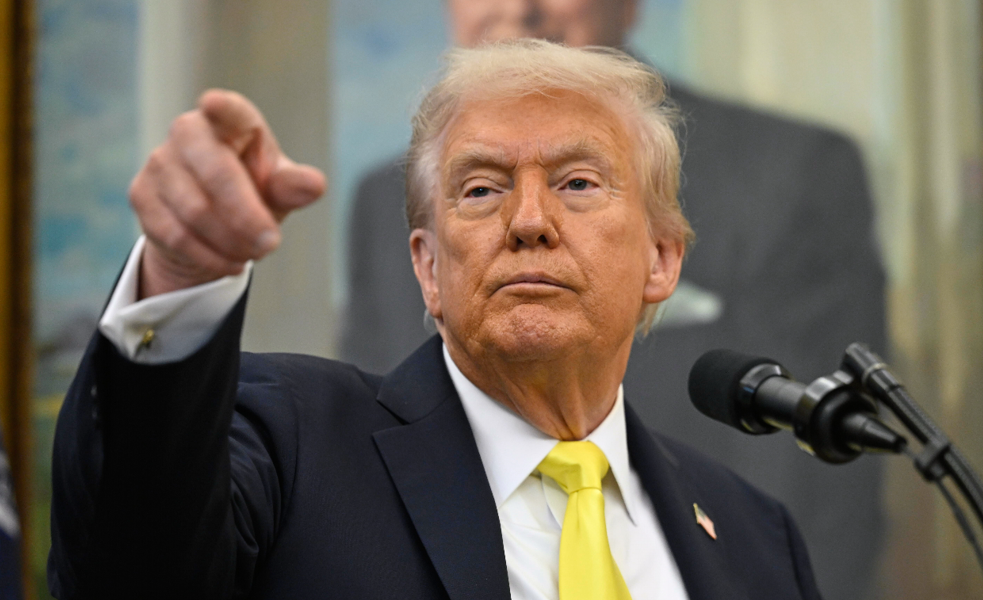
In Washington, President Donald Trump recently asserted that Indian Prime Minister Narendra Modi had given him a personal assurance that India would halt its Russian oil imports—a claim that immediately ricocheted across diplomatic corridors and newsrooms. “He assured me there will be no oil purchases from Russia,” Trump told reporters, adding that though India “can’t do it immediately,” the transition would follow.
New Delhi’s response was swift, measured, and deliberate. Officials avoided a direct confirmation of Trump’s account, instead emphasizing that India’s energy policy is guided by the twin imperatives of ensuring affordability and securing supply. In texts released through the Ministry of External Affairs, the government reaffirmed that safeguarding the welfare of Indian consumers remains paramount in a “volatile energy scenario.”
Behind the terse public statements lies a complex calculus. Since the onset of the Ukraine war, India has deepened its reliance on Russian crude—often at considerable discounts—making Moscow one of its top suppliers. Yet, the strategic imperative to balance energy affordability with diplomatic pressure has never been clearer than in this moment. Trump’s claim surfaced amid ongoing U.S.–India trade negotiations, in which America has already slapped steep tariffs—initially 25 % and later escalating to 50 %—in response to India’s continued Russian imports.
The atmosphere resembles a high-stakes game of geopolitical chess. America’s posture is one of leverage: suggesting that India’s trade burdens could be eased if it stops buying Russian oil. In turn, New Delhi asserts its sovereign right to determine energy policy according to national interest, not external demands. The government’s position is rooted in the notion that energy sourcing is not merely an economic decision—it is a matter of survival, especially when global supply chains twist unpredictably.
Moscow, unsurprisingly, has weighed in. Russian officials have reaffirmed that their crude remains integral to India’s economy, and have denied any intent to meddle in Indo-American affairs. The response underscores how tightly woven India–Russia energy ties have become, offering New Delhi some strategic breathing room against external pressure.
Domestically, the political echoes have been immediate. The opposition, led by Rahul Gandhi, has accused the government of ceding diplomatic ground, branding the episode as a sign of undue deference to American pressure. “PM Modi is frightened of Trump,” Gandhi said in a pointed criticism, framing the issue as one of national dignity rather than mere economic policy.
India’s response strategy so far underscores its attempt to navigate a narrow path. Neither confirmation of Trump’s version nor abrupt withdrawal from Russian oil imports seems likely; what appears more plausible is a gradual shift—if at all—in sourcing, contingent on market conditions and supply stability. Some refiners are said to be preparing for possible reductions, though none have publicly committed to immediate change.
What becomes clear is that India’s energy diplomacy is being tested like never before. It must manage conflicting expectations: reassuring its domestic base, preserving supply resilience, and engaging with a superpower pressing for alignment. Yet, the government’s repeated emphasis on consumer welfare signals a broader message—its decisions will remain anchored in national well-being.
This episode may well become a defining moment in India’s foreign policy of the early 21st century. The outcome will tell us whether a middle power like India can maintain strategic autonomy while respecting the expectations of larger actors. Whether Washington’s tariff pressure yields substantive change or merely friction, the louder lesson is this: energy is no longer simply about fuel. It has become a battlefield where sovereignty, diplomacy, and every liter of import count toward shaping India’s posture in a contested world.


